An interesting news tidbit came through the BMW PR department recently. The Z1, the ground-breaking plastic-paneled roadster with vertical power sliding doors, is celebrating its 25th anniversary. In 1985, BMW’s Board of Management formed a 60-member team of engineers and designers specifically tasked with creating what became known as the Z1. That group, BMW Technik GmbH, came up with the Z1’s radical design incorporating BMW’s goals: superior performance, the ability to drive with the roof down, a sense of sheer originality and a dash of extravagance.  To say they succeeded would be a grave understatement.
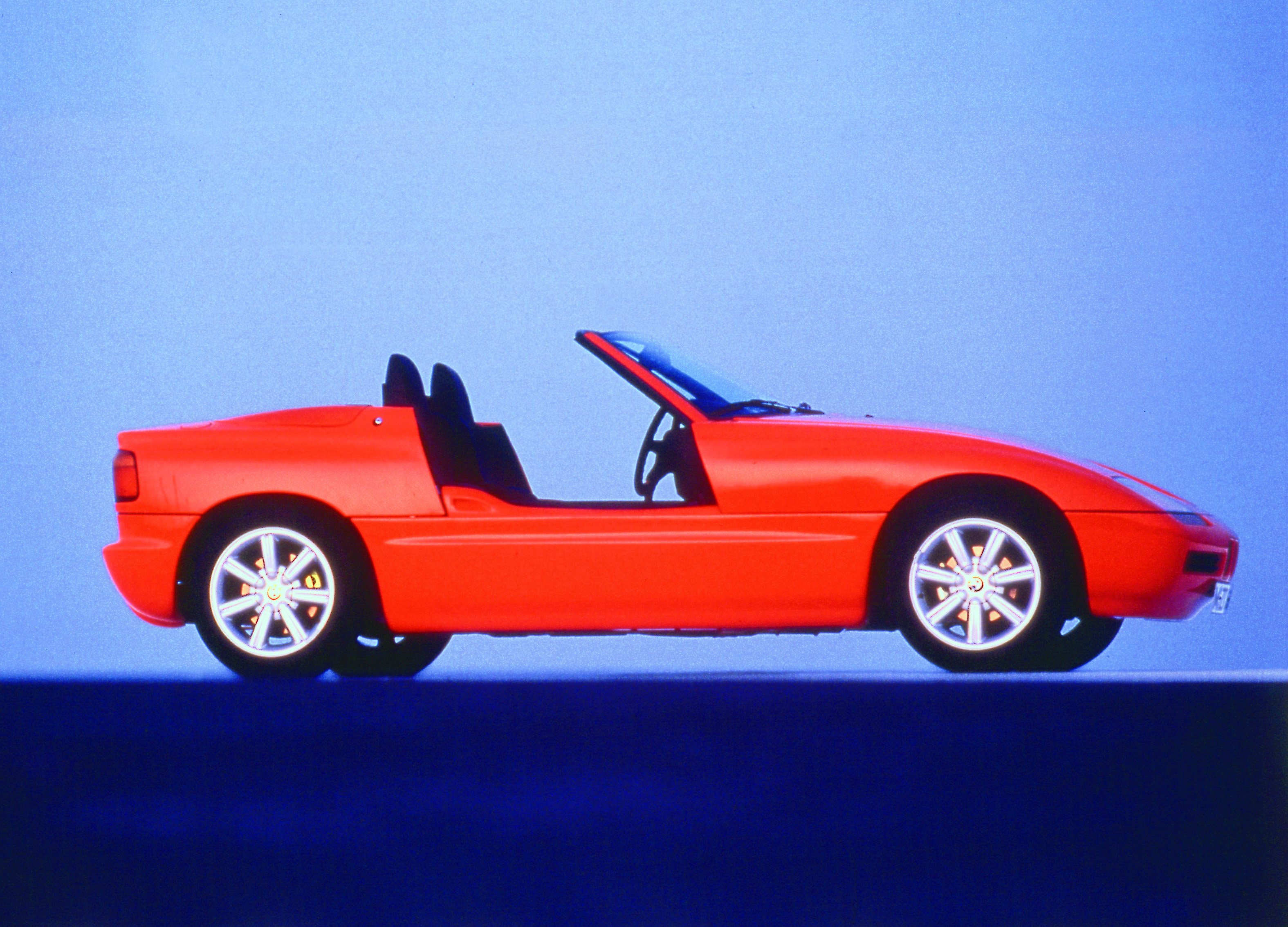
The BMW Z1
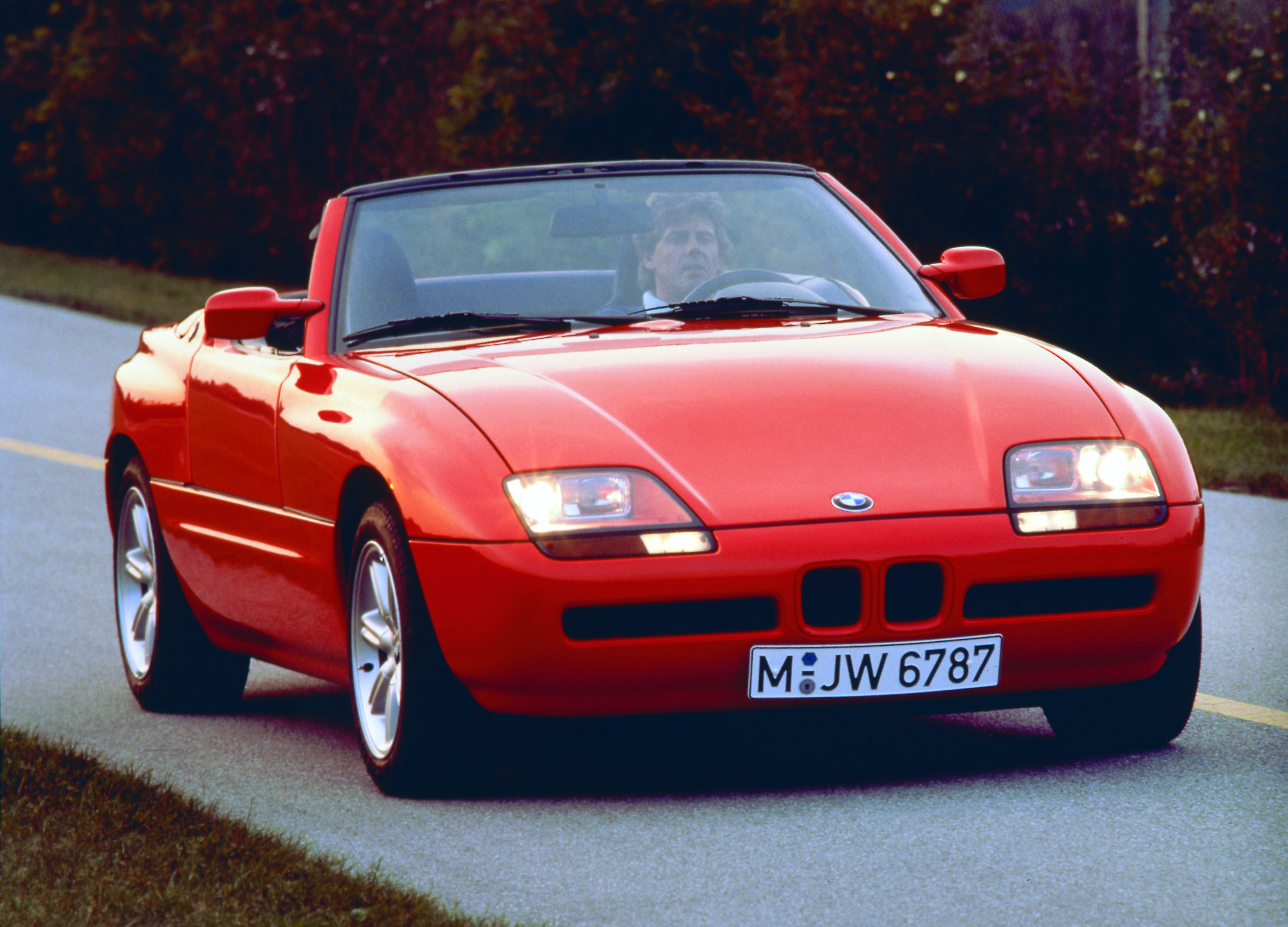
The BMW Z1 in Top Red

The Z1 had a very low weight (2,760 pounds, about as much as a MINI Cooper Convertible) and low center of gravity, front mid-engine placement and compact dimensions. The “wow factor” came from the unique vertical sliding doors and the supporting sheet-metal structure with a plastic outer skin.  BMW announced on August 10, 1987 that it would present the Z1 Roadster at the Frankfurt Auto Show on September 11, 1987.  It would have a 170 hp straight 6-cylinder engine and it would go into production in June of 1988.
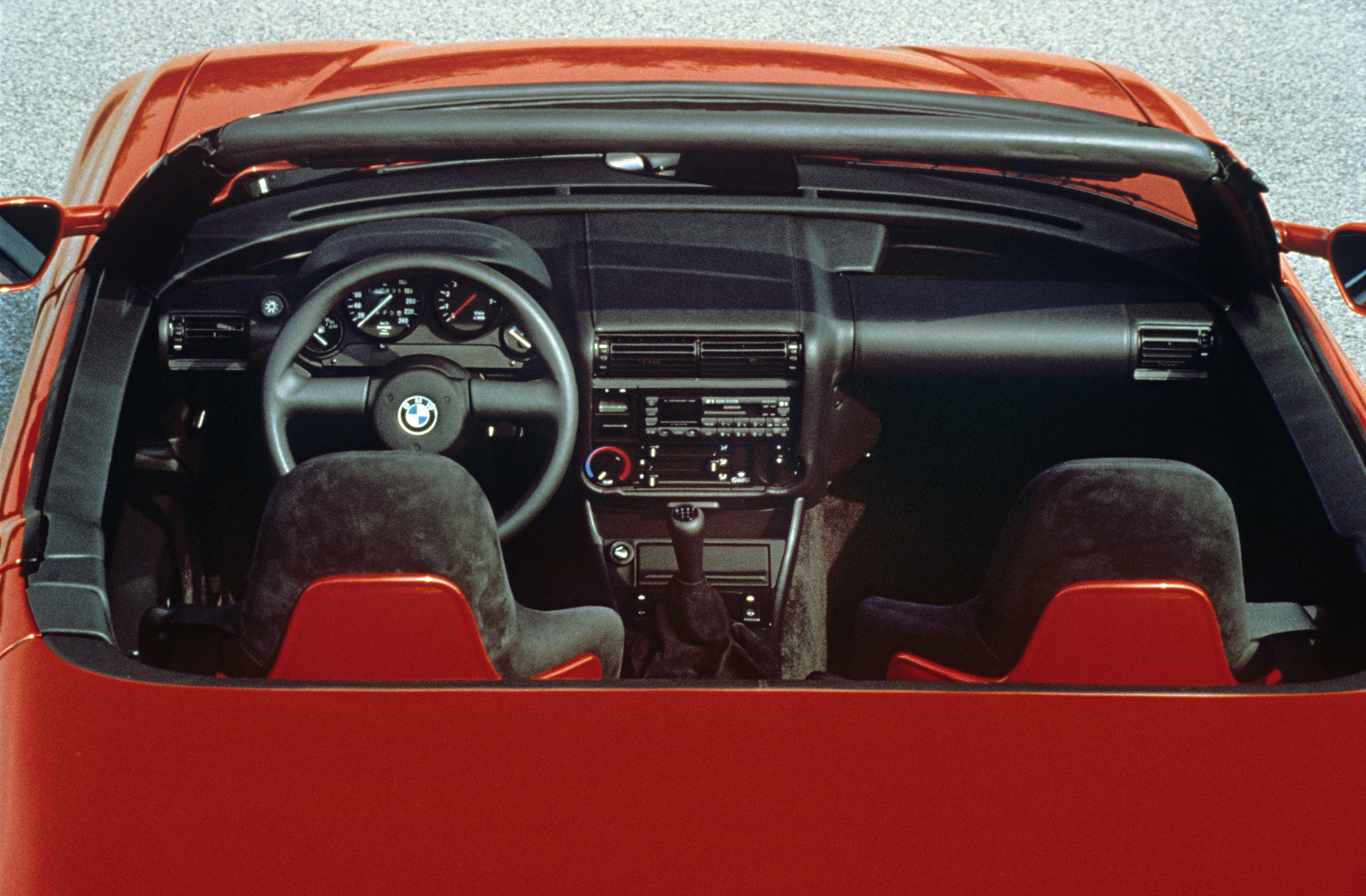
BMW Z1 Interior

While the Z1 may look radical, beneath that sexy skin beats the heart of a garden variety BMW 325i of that era [internal code E30]. The HVAC system and most controls and gauges were lifted straight from the E30.  The Z1 had a 2.5-liter straight-six with 170 hp (as advertised) and all Z1s had a 5-speed manual transmission.  The front single-joint spring axle was taken from the 3-Series, but the rear multi-link axle was unique to the Z1.  The car had excellent directional stability and it exhibited strong anti-squat and anti-dive control. The weight distribution was 49:51.

The Z1 would be considered slow by today’s standards. It’s zero to 62 time was just under eight seconds.  But it rode like a go-cart and it hugged the ground like it was a roller coaster on rails.  With the doors tucked safely under the carriage and the top down, people said it was like driving a 4-wheel motorcycle.

The BMW Z1 in Dream Black metallic

Only 8,000 BMW Z1 models were built between June of 1988 and June of 1991 – three short years.  Under U.S. law, in order to import a classic or antique car for personal use, the vehicle must be 25 years old or older so it doesn’t have to comply with the Department of Transportation’s Federal Motor Vehicle Safety Standards (FMVSS).  Vehicles 21 years old and older don’t have to comply with any EPA requirements.

The BMW Z1 in Nature Green Metallic

To determine the age of the vehicle, the calendar year of manufacture is subtracted from the calendar year of importation. That means starting in 2013, the first Z1 models are eligible to be imported to the US without burden of Federal emissions or safety regulations (2013 less 1988 = 25).

Naturally, it’s not that simple for California.  Model year 1976 and newer vehicles are still required to pass a smog check. The good news, however, is that the engine and exhaust system for the Z1 are nearly identical to the BMWs sold in California at that time.  A good BMW mechanic should be able to make sure that an imported Z1 would pass California smog checks.
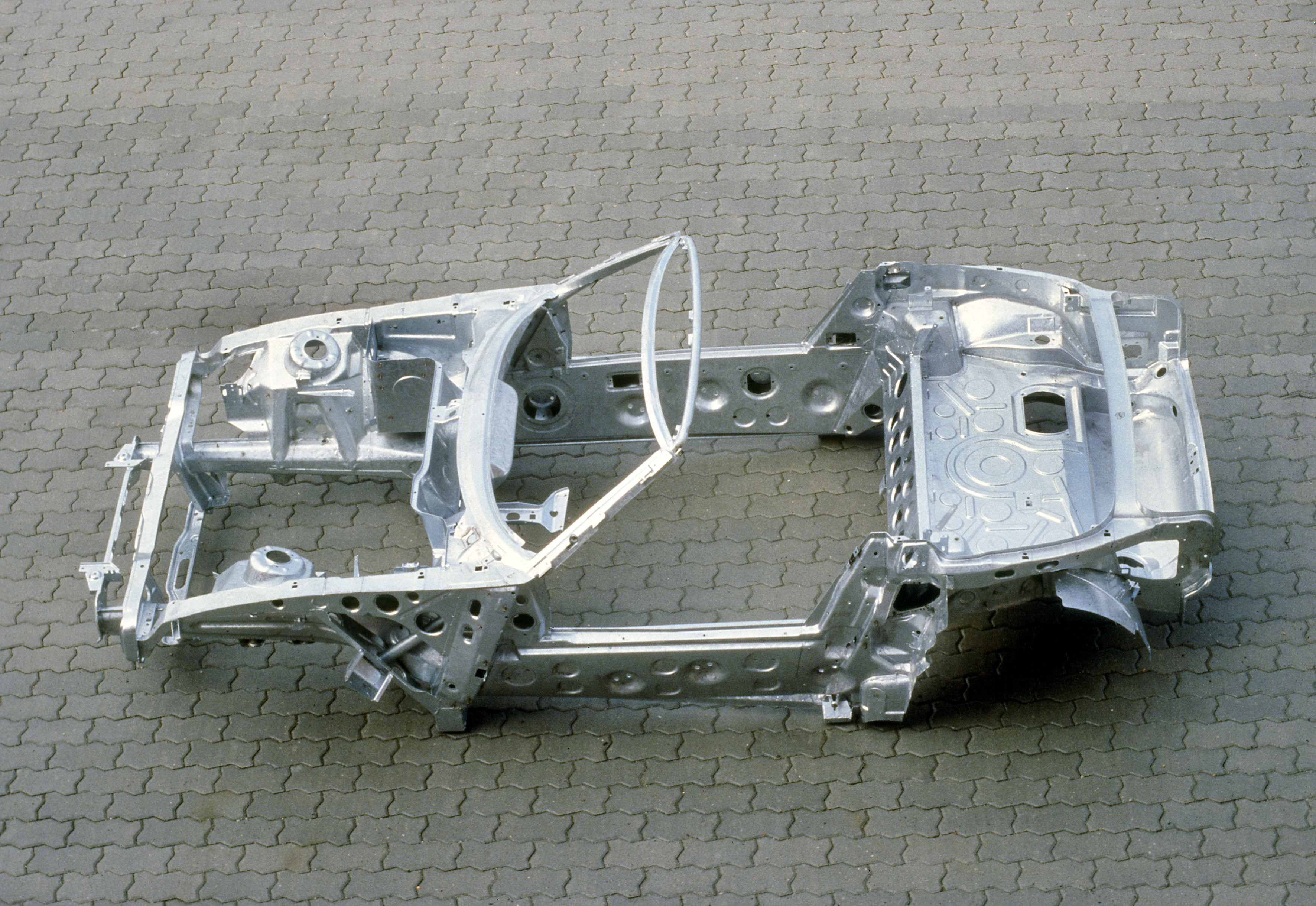
The metal frame of the BMW Z1

It lots of time and paperwork to import a classic to the U.S. and there are lots of companies that will assist with the process. It also may take some time to find a nice living example of a Z1 to purchase.  They are still expensive – at least $30,000 – and that’s before it gets on a boat and all the federal and California paperwork is done. But it’s just so damn cool. Who wouldn’t want one?

See the BMW Z1 press release.

In the spring of 1991, artist A.R. Penck decorated a Top Red Z1 with black graffiti. This Z1 was added to the other legendary members of BMW’s Art Cars.
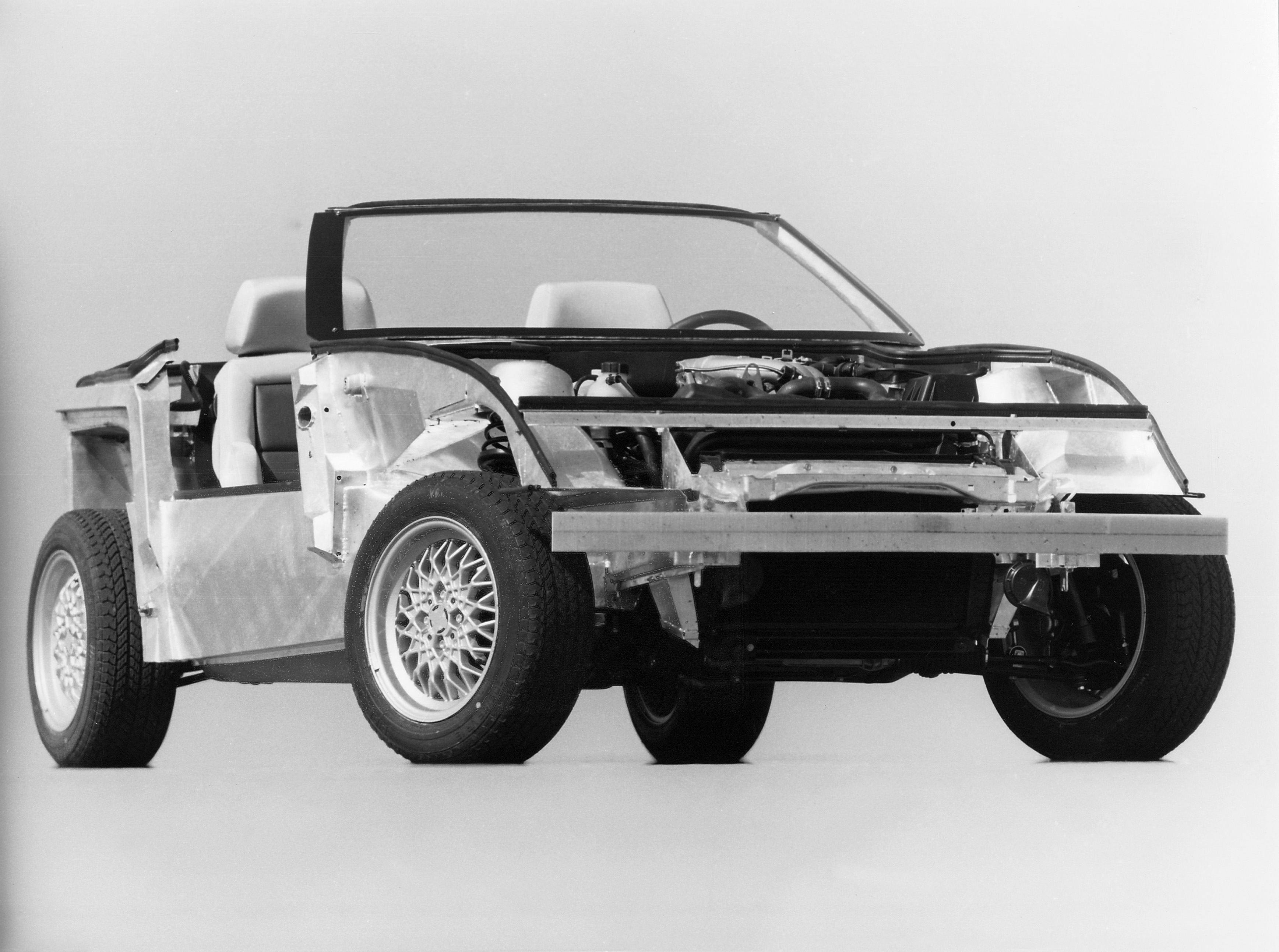
A stripped-down Z1 without its unique plastic body panels and its futuristic, never copied, drop-down vertical doors.

Testing a Z1

The Z1’s engine, transmission and suspension.

A BMW Z1 in the styling studio.
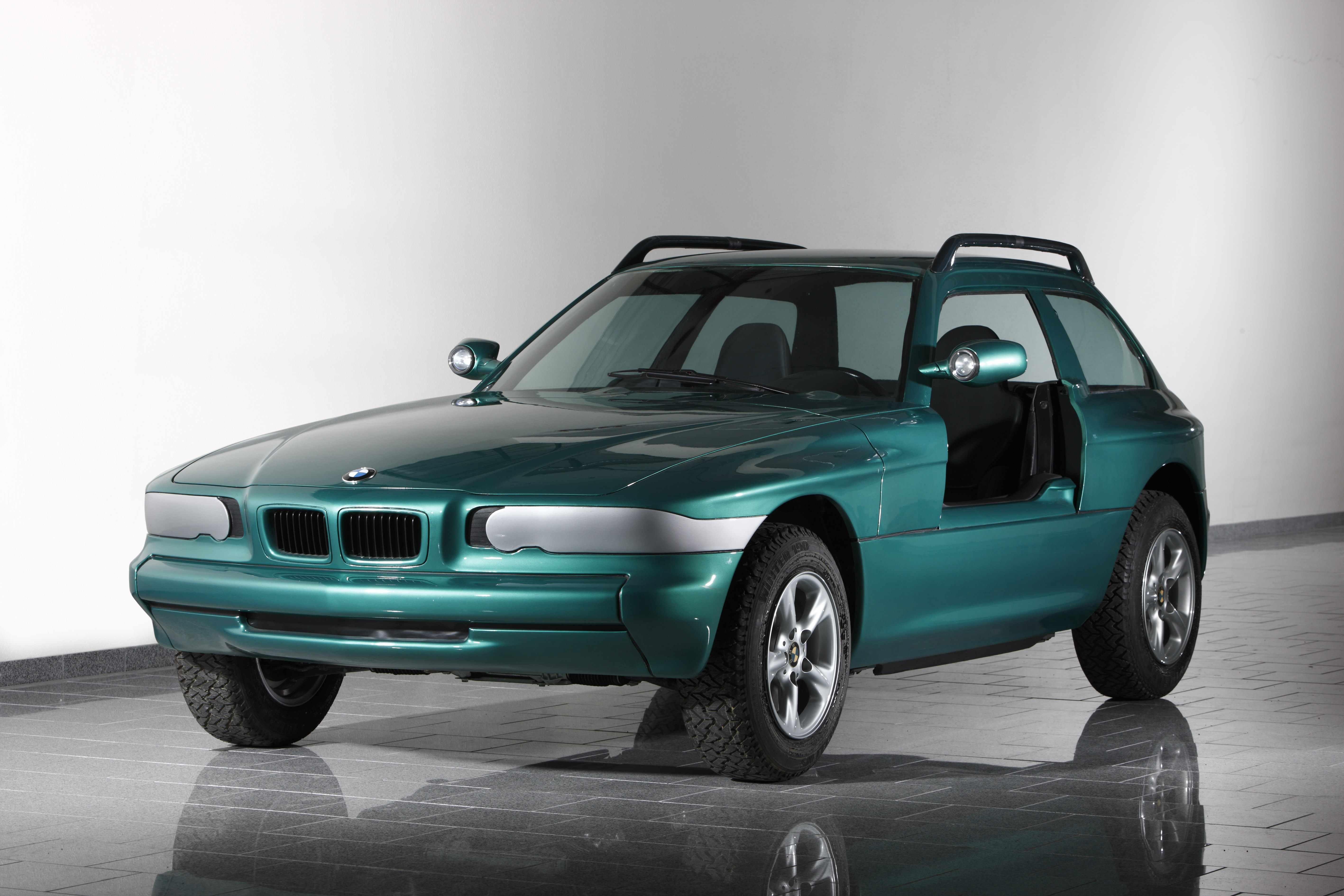
An early Z1 design study.
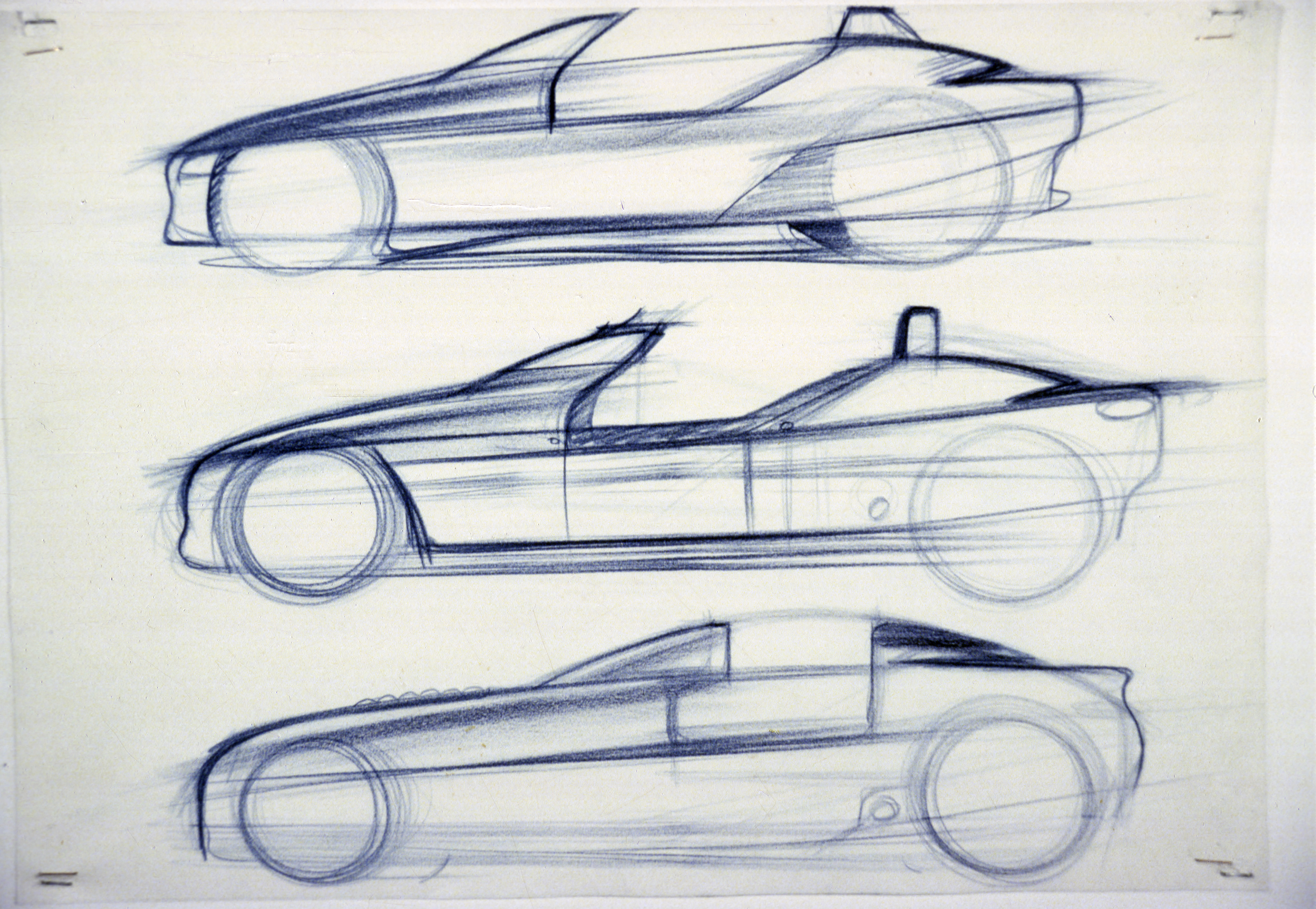
Designer sketches for the Z1
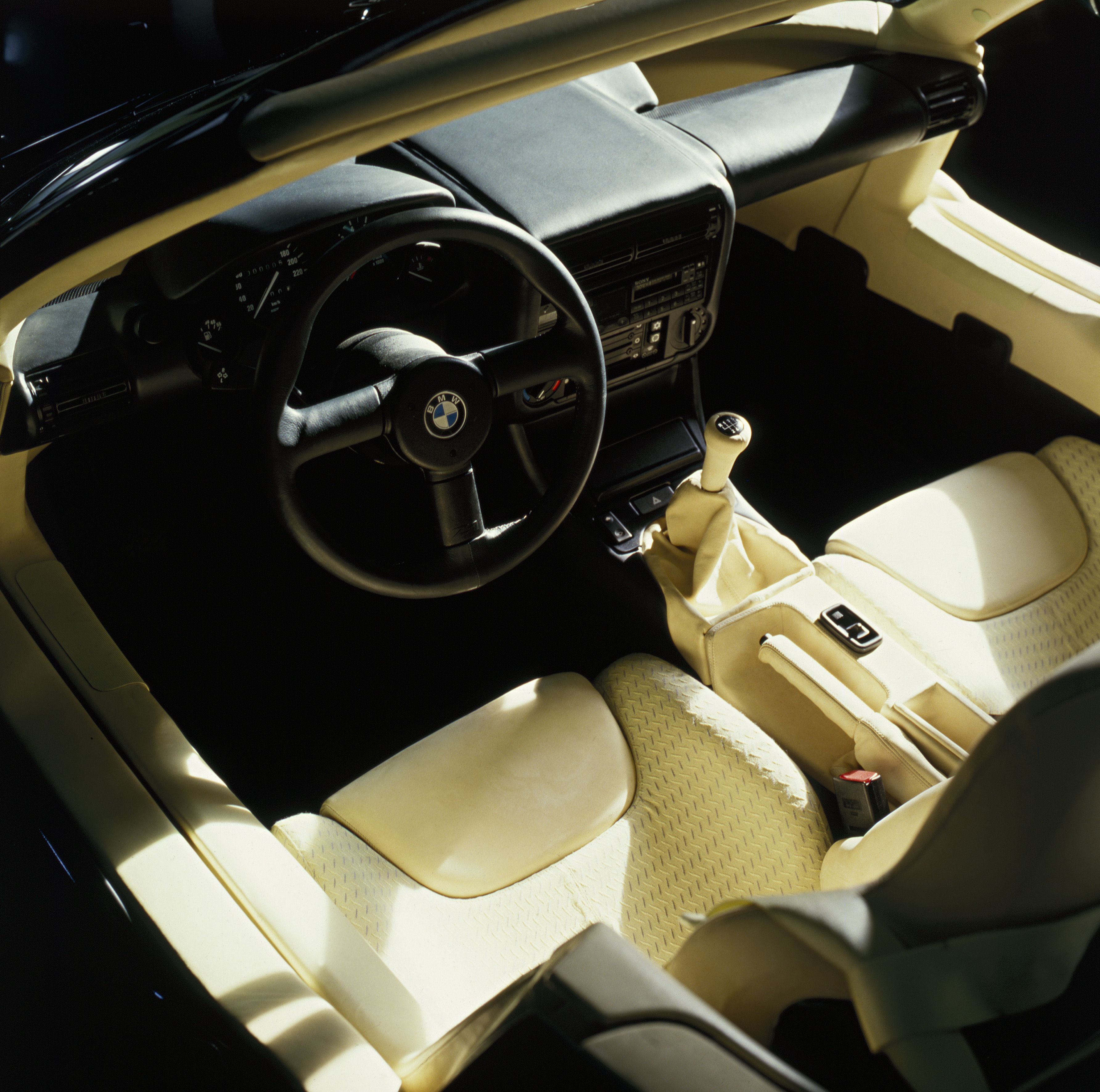
The interior of the Z1 sported the driver-focused cockpit from the 3-Series. The seats were unique to the Z1.

The Z1’s styling is still fresh today. It was an instant classic and demand never waned during its short, hand-built run. They are highly sought-after as collector classics today.


Good News: It will be easier to find a space in Downtown LA and you may never get a parking ticket for an expired meter again.

Bad News: “Dynamic” (a nice word for increased) parking meter fees are now in effect in parts of Downtown Los Angeles,

The parking rates at meters and city-owned lots are currently between $1.00 and $4.00 per hour depending on the location of the space.  Under the new LA Express Park project, the amount you pay for an hour of parking could range from as low as $0.50 to a high, but reasonably palatable, $6.00.   Dynamic prices means that the rates will change depending on the time of day and demand.  I’m willing to bet that most people will end up paying more at a meter; however, it’s going to be easier to find a space and to pay for it.

The one year pilot program employs wireless pavement sensors and other technology to detect open spaces and demand.   What makes this system both cool and unique is that you can check for parking availability before you leave home on the website for LA Express Park or through the Parker smartphone app (iPhone, iPad, Android and Blackberry).  The app, using built-in GPS sensors in your phone, will detect where you are and show you the closest open parking spaces as well as the current meter rates.  Parker was developed by Streetline  just for the pilot program in Los Angeles; but of course, there is hope that these kinds of services will be rolled out in cities all over the world.

Sure, this will add to distracted driving and increase the number of people sitting at a stoplight who don’t notice when the light turns green, but hey, you might find a space!  At some point, the information even may be integrated into portable and in-dash GPS devices.  By that time, you’ll be in your Google-driven Prius and the car will not only find the space but park itself.  The technology exists today, so it’s only a matter of time before it’s integrated into new cars.

Now that you found that Doris Day parking space, you have to pay for it.  Through a smartphone app called Parkmobile, (iPhone, iPad, Android and Blackberry) you sign up with a credit card and the license plate number of  your car.  The app lets you not only pay the meter but it will send you a text message reminder 15 minutes before your time is  up and you can refill the meter right through your smartphone.  You can register multiple vehicles through Parkmobile or change the license plate on the fly. Helpful if you’re in a rental or a friend’s car. You can also kiss those outrageous parking tickets goodbye.

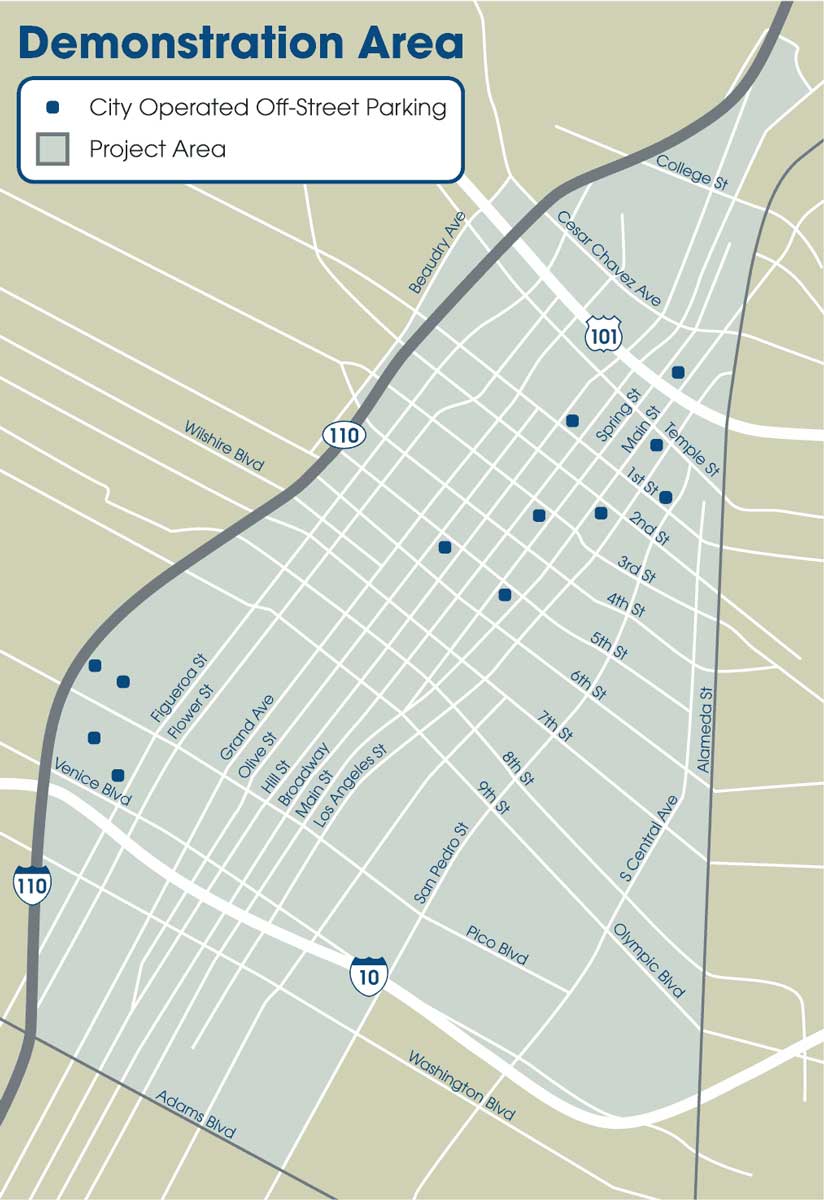
If you frequently park in metered spaces or city lots in the pilot zone shown on the map below, I’d highly recommend using this new technology. No more fumbling for change. No more running into a nearby sandwich shop to buy a bag of chips just to get change.  No more parking tickets if you mind your text messages.  And a bonus with Parkmobile you will have a detailed record of your parking expenses and a reminder of where you’ve been and on what day.  Very helpful for expense reports.

[Update May 30, 2012: I heard a report about the new system on TV the other day and it’s important to note that the communication about your parking space, your car and time on the meter is a two-way street.  Parking enforcement knows when your time is about to be up and could be waiting to give you a ticket as soon as the green lights turn red. So far, they have to be there in person to write the ticket, but I could envision a time when Big Brother could just issue a ticket automatically or from a desk and computer system. ]

Councilman Bill Rosendahl explains what’s going on:

Here’s a map of the LA Express Park pilot project zone:

LA Express Park Map

Press Release dated May 22, 2012:

Yesterday, Mayor Antonio Villaraigosa unveiled a new program that will change the way people park in downtown Los Angeles. LA Express Park, a year long demonstration project, is a technologically advanced parking system that will notify motorists where parking is available by using in-ground sensors on city streets and lots. It will also introduce dynamic pricing to parking spots on city streets. Under this project, prices for parking will be based upon demand; when demand is high parking rates will increase and when it is low rates will drop. This will help keep traffic moving and take the hassle out of parking in what is Southern California’s largest generator of economic activity.

“Downtown is the heart and soul of Los Angeles, and has experienced significant growth over the last decade,” said Los Angeles Mayor Antonio Villaraigosa. “LA Express Park’s dynamic system will make parking in Downtown easier, faster, and smarter for all Angelenos.”

“Downtown Los Angeles is one of the largest employers in the region. Coupled with its emerging reputation as the sports and entertainment hub of Los Angeles, it is the ideal location to launch the LA Express Park program. New meters, new technology, and flexible payment methods afford greater ease and convenience in parking and visiting our dynamic downtown,” said Councilwoman Perry.

Bill Rosendahl said “As Chair of the Transportation Committee, I have proudly supported bringing innovative parking management and congestion reduction strategies to the public,” said Councilmember Bill Rosendahl. “Hats off to LADOT for investing in smart technologies that brings real benefits to the public.”

The LA Express Park demonstration area involves only City of Los Angeles-owned parking spaces and facilities in a 4.5 square mile area in downtown. It will include approximately 6,000 high-tech parking meters that take debit and credit cards. LA Express Park is being developed in partnership with Caltrans and the Los Angeles County Metropolitan Transportation Authority supported by $15 Million in grants from the Federal Highway Administration and $3.5 Million in matching City funds. For more information on LA Express Park and to use it, visit the project website.